One workspace for the project record, the field data, the inventory forms, and the agency correspondence — with AI where it saves time and human review where it matters.
A single Section 106 undertaking spreads across a shared drive, a spreadsheet of shovel tests, a folder of geotagged photos, an email thread with SHPO, a stack of prior reports, and a Word template someone has been hand-editing for a decade. The record exists, but it is not in one place, and nothing checks itself.
This platform keeps the whole project in one structured record and generates the deliverables from that record — DAHP site forms, historic property inventories, report drafts, and spatial exports — instead of asking a specialist to retype the same facts into a fourth document.
Cultural resource consultancies, agency compliance staff, and tribal historic preservation offices running recurring Section 106 and NHPA review work — teams that produce inventory forms and compliance reports on a schedule rather than occasionally.
It was built by a practicing cultural resource professional against real submitted deliverables, not by a software vendor working from a requirements document. The workflows follow how the review is actually done.
One record per undertaking, advanced through the regulatory sequence step by step, with deadlines, a project activity timeline, and search across everything the project contains.
Site records, shovel test probes with spreadsheet import, and geolocated field photographs — exportable to the DAHP archaeological site form as a filled document.
HPI records with a narrative generator patterned on real inventory forms, research-source tracking, historical aerial documentation, and a staging document ready for review.
Upload a prior report and get a reviewable draft: site fields and a dated chronology, each extracted value carrying the page number it came from so a reviewer can verify it in seconds.
SHPO submissions and responses, plus tribal and agency consultation logs, held against the project record rather than scattered across individual inboxes.
Project mapping with historical aerial imagery, and GeoJSON, CSV, and KMZ export for handoff to a GIS analyst or an agency submittal package.
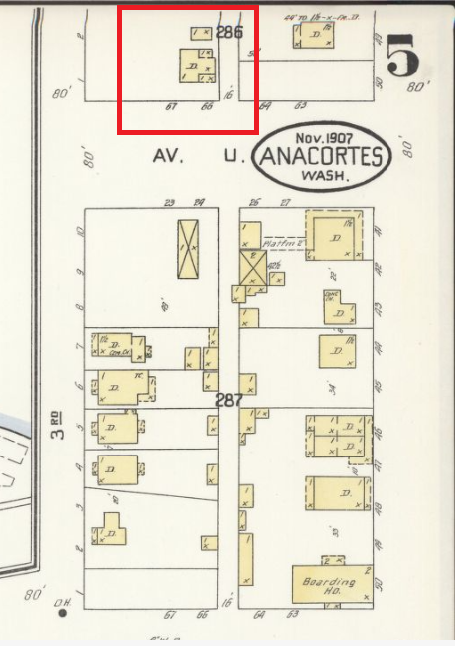
Site locations, find spots, and eligibility determinations are protected information under Section 304 of the NHPA and the Archaeological Resources Protection Act. The platform treats that as an architectural constraint, not a policy statement.
The model produces a first draft and never commits a record. A qualified professional sits between extraction and the final document, which is how a compliance deliverable has to work if it is going to be defensible.
Measured against one born-digital 38-page Section 106 review letter, producing a draft site record and a dated chronology. Extraction is a first draft, not a finished deliverable — the fields a reviewer still has to research and correct are part of the workflow, not an exception to it. Larger and scanned documents take longer.
The platform is offered as a guided pilot rather than a self-serve subscription, so it is configured against your templates and your review gates before anyone depends on it.
A pilot is designed to produce evidence before a firm commits to a wider rollout.
HRS is taking a limited number of pilot firms. Get in touch to see the platform run against a report of your own and discuss how it would be configured for your team.
Request a Demo